
Keeping your fridge and pantry tidy is an essential part of maintaining a clean and efficient kitchen. When these storage spaces are organized, it saves time, reduces food waste, and helps you prepare meals with ease. In this post, we’ll explore practical tips and strategies to keep your fridge and pantry neat, so you always know what you have and can access everything quickly.
Why Keep Your Fridge and Pantry Tidy?
An organized fridge and pantry offer several benefits:
– Saves money by reducing food spoilage.
– Simplifies grocery shopping by knowing what you need.
– Enhances food safety by minimizing cross-contamination.
– Creates a more pleasant kitchen environment with less clutter.
– Speeds up meal preparation by making ingredients easy to find.
With these advantages in mind, let’s dive into specific ways to maintain order.
Preparing for Organization
Before you begin organizing, it helps to start fresh:
- **Empty everything out:** Take all items out of your fridge and pantry. This lets you see what you have and makes cleaning easier.
- **Check expiration dates:** Throw away anything expired or spoiled.
- **Sort items by category:** Group similar items together—canned goods, snacks, condiments, dairy, etc.
- **Clean all surfaces:** Wipe down shelves, drawers, and door compartments with a mild cleaner.
Once your spaces are clean and clutter-free, you can begin organizing effectively.
Organizing Your Fridge
Use Clear Containers and Labels
Clear storage containers help keep items neat and visible. Consider:
– Using bins for fruits, vegetables, and snacks.
– Labeling containers to quickly identify contents.
– Storing leftovers in consistent, stackable containers.
Store Food in Proper Zones
Your fridge has different temperature zones meant for various items:
– Top shelves: Ready-to-eat foods like yogurt, cheese, and leftovers.
– Middle shelves: Dairy products such as milk, butter, and eggs.
– Bottom shelves: Raw meats and fish, stored in sealed containers to avoid drips.
– Crisper drawers: Fruits and vegetables, separated by humidity preference.
– Door compartments: Condiments, dressings, and beverages, as the door is the warmest part.
Following this zoning helps maintain freshness and prevents odors from mixing.
Keep a “First In, First Out” System
Place newer items behind older ones so you use the older products first. This method reduces waste from forgotten food.
Avoid Overpacking
Don’t crowd your fridge. Air circulation is important for consistent cooling. Leave some space between items to help maintain the right temperature.
Streamlining Your Pantry
Categorize and Group Items
Arrange items by category to make finding what you need easier:
– Baking supplies
– Grains and pasta
– Canned goods
– Snacks
– Spices and herbs
Use baskets or bins to keep smaller items together.
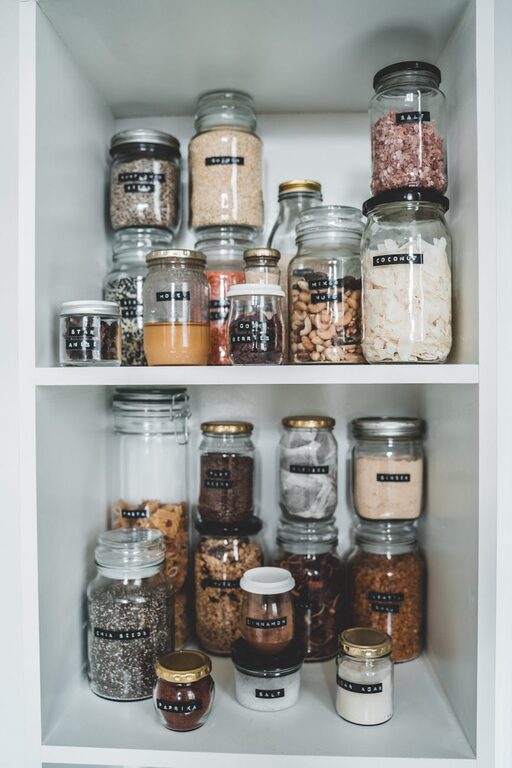
Invest in Clear Jars and Containers
Transfer dry goods like flour, sugar, rice, and cereals into airtight, clear containers. Benefits include:
– Keeping pests away
– Maintaining freshness
– Visually seeing how much is left
Label Everything
Labels add clarity, especially if containers look similar. You can use chalkboard stickers or printed labels for a neat, uniform look.
Organize by Frequency of Use
Place frequently used items at eye level or in easily accessible spots. Less commonly used ingredients can go on higher or lower shelves.
Use Shelf Risers and Door Organizers
These tools help maximize space and increase visibility. Shelf risers create extra layers for stacking items, while door organizers hold small jars, packets, or bottles.
Maintain Regularly
To keep your fridge and pantry tidy, schedule a regular maintenance routine:
– Weekly check: Scan for expired or spoiled food.
– Monthly wipe down: Clean shelves and bins to prevent buildup.
– Reorganize if needed: As your food supply changes, adjust your system.
Bonus Tips for Success
– Create a shopping list: Keep a list nearby to track what’s running low.
– Avoid impulse buys: Stick to the list to prevent clutter.
– Store leftovers promptly: Place them in clear, labeled containers.
– Keep a notebook or dry erase board on your fridge door: Note down items you need to use soon.
—
Organizing your fridge and pantry doesn’t have to be overwhelming. With these straightforward tips and habits, you can maintain a tidy, functional kitchen that supports your cooking and healthy eating habits. Start today and enjoy the benefits of an organized food storage system!
